Cinnamon, a superfood for your memory
alimentación, Biryand, canela, cerebro, Harvard, memoria, neuroprotectores
19 February 2026
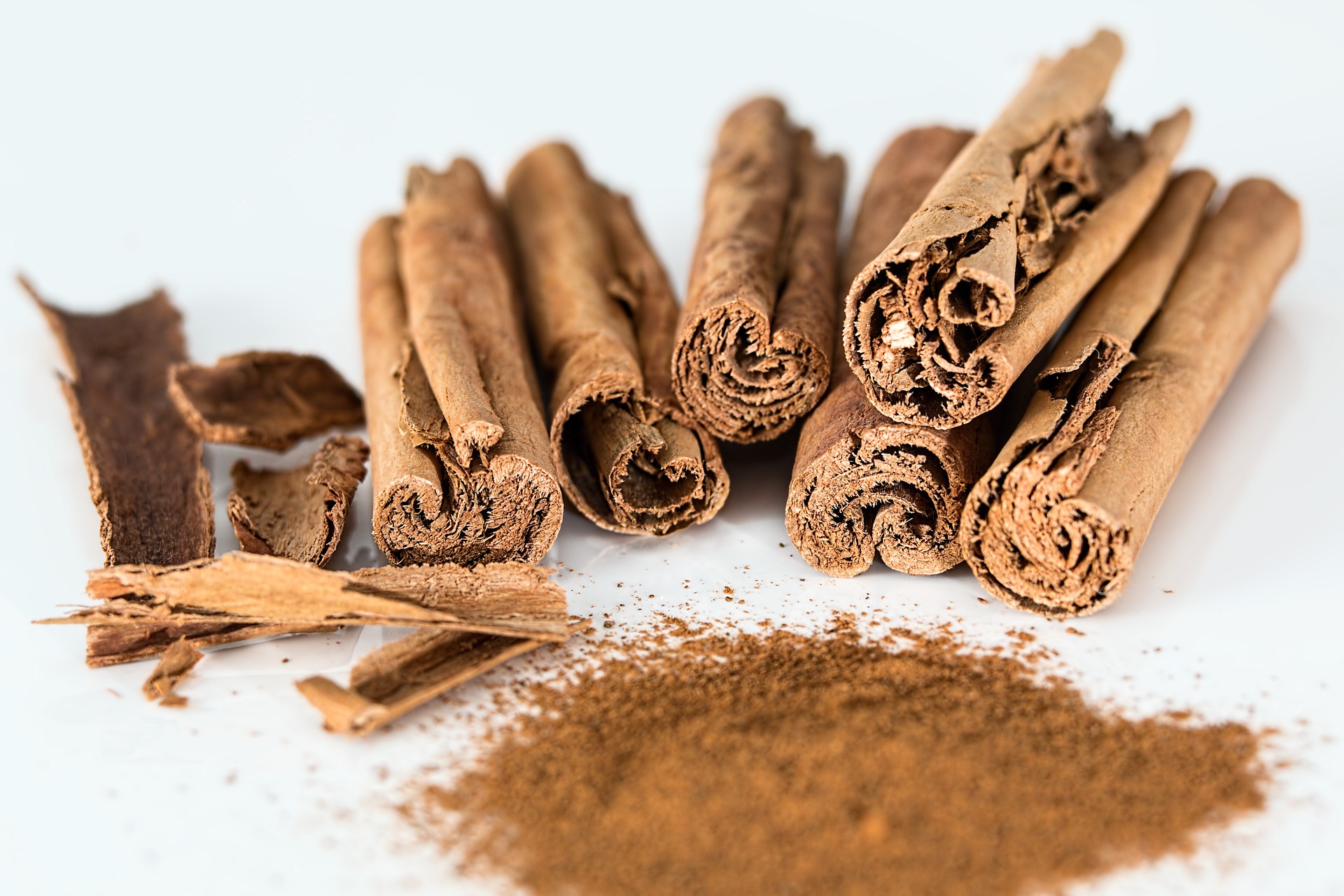
Cinnamon, one of the most common spices used in cooking, is a great ally for your memory according to science. Source: Steve Buissinne on Pixabay.
Cinnamon is, without a doubt, one of the best-known and oldest spices that exist in the history of humanity. In China it was already used in the year 2500 BC. and the Arabs used it to flavor meat, since it is a food that contains an essential oil rich in phenol that inhibits the bacteria responsible for putrefaction. Currently, it is used in several types (branched and ground) and its special woody, pleasant and sweet aroma, and its warm flavor, make it widely used for both sweet and savory dishes. It is native to southern India and Sri Lanka, although it is also cultivated in Brazil, Burma, Indonesia, the West Indies and islands in the Pacific Ocean, all warm countries whose winters are not cold.
But cinnamon, a spice derived from the inner bark of trees of the genus Cinnamomum, not only adds pleasant flavor to foods, but has also been the subject of study over the years for its possible health benefits. Through scientific research, several properties have been identified such as antioxidant, helping to combat the damage caused by free radicals in the body and preventing the risk of suffering from chronic diseases such as cancer or heart disease. Some studies also suggest its anti-inflammatory capacity, reducing certain risks related to arthritis, for example. Other research indicates that cinnamon can help improve functioning and increase insulin levels, a hormone that is responsible for regulating blood sugar, being beneficial for people who have prediabetes and type 2 diabetes. Likewise, cinnamon has thermogenic and metabolic effects, increasing energy expenditure and fat oxidation, which is why it has a protective effect on obesity, thus promoting weight loss.
We cannot forget its aphrodisiac potential either, being a natural stimulant well recognized in society. Precisely, it is this stimulating particularity and the effect it has on the brain that has led the Biryand University of Medical Sciences (Iran) to publish a study recently compiling other previous works that investigated the effect of this very common spice on brain function. Although one of the main risk factors for memory is age and family history, there are other factors that we can influence and that are related to lifestyle, such as diet.
In this sense, Harvard University, through Uma Naidoo, director of Nutritional Psychiatry at the School of Medicine, pointed out some of the foods that can damage our brain and its cognitive abilities. And there are several studies that suggest that cinnamon has key components for memory and learning. Among them, one of the investigations from the Iranian University of Biryand that emphasizes that cinnamon has neuroprotective effects that interfere with multiple oxidative stress and pro-inflammatory pathways. Its components, such as eugenol, cinnamaldehyde and cinnamic acid, could positively alter cognitive function “by decreasing amyloid plaque in the hippocampus and phosphorylation of the tau protein”. Thus, they highlight that most studies reported that cinnamon could be useful in preventing and reducing the deterioration of our brain, slowing down diseases such as Alzheimer’s.