What is phenological mismatch? Or when nature loses its synchronicity due to the climate
 Ecology is based on perfect synchronicity: plants bloom just as pollinators emerge; caterpillars hatch when young leaves are available; and birds migrate to coincide with the peak of food resources. This timing of natural events is known as phenology.
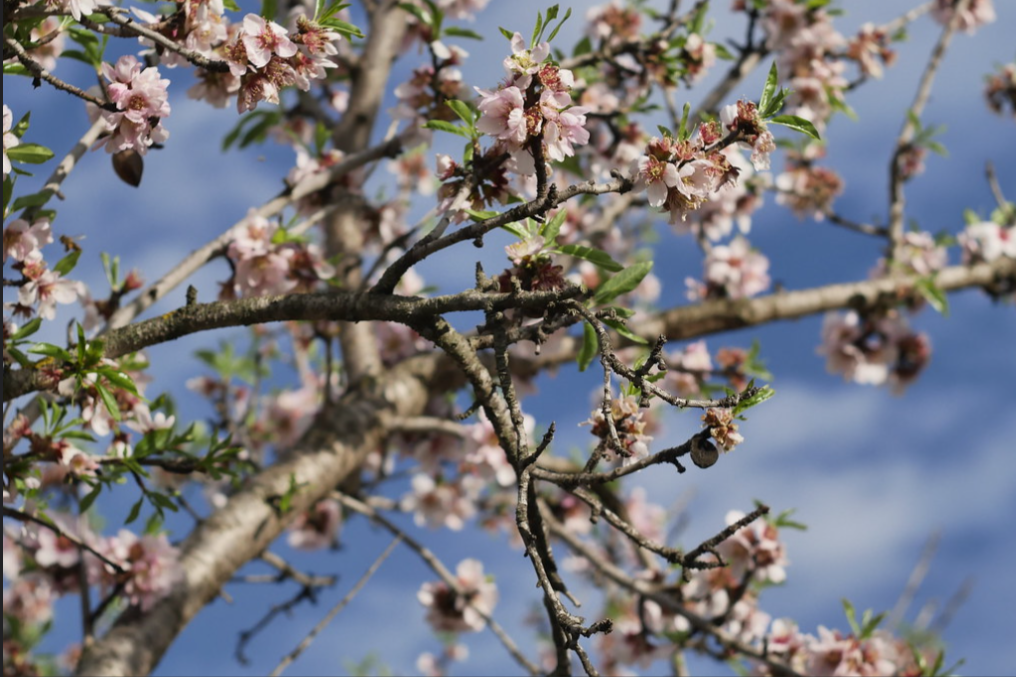
One example of this is the early arrival of spring. Due to global warming, phenology is accelerating: spring is arriving earlier and earlier. Warmer temperatures are causing many plants to respond by flowering days or weeks earlier than they historically have.
This is where phenological mismatch comes in. It affects both plants and pollinators. For example, a flower might open too early, before bees, butterflies, or other insects, whose emergence depends on other cues (such as day length), are active. The flower withers without being pollinated, and the insects find no food when they finally emerge. You can also see the effect on birds and their food. A classic example is some migratory birds that arrive at their nesting grounds following genetic migration cues, only to discover that the insect population that feeds their chicks has already peaked, leaving the young without enough food.
Phenological mismatches also have ecological consequences. These mismatches disrupt delicate food chains and symbiotic interactions. In the long term, this can lead to population declines. Species that cannot adjust their life cycle quickly enough face reduced reproductive success, putting them at risk. It can also cause ecosystem disruption, where generalist or phenologically flexible species may become dominant, while specialist species decline, thus reducing biodiversity.
Studying phenological mismatch is crucial to understanding how ecosystems are responding to climate change and to identifying which species are most vulnerable.