Basic Biosafety Course in Laboratories organized by IDiBE and SATDI
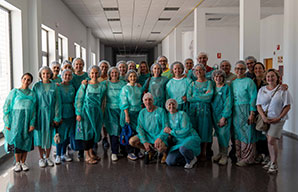
On Monday, June 2, 2025, the Basic Course on Biosafety in Laboratories took place at the Institute for Research, Development and Innovation in Health Biotechnology (IDiBE) on the Elche campus. This essential training initiative is aimed at technical and research staff working in the fields of biotechnology and biomedicine at the University. The course was made possible thanks to the support of the Vice-Rectorate for Research and Transfer and the joint organization of the Technical Support Service for Teaching and Research (SATDI) and IDiBE.
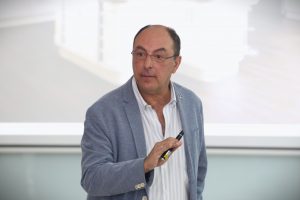
The course was taught by Dr. Gonzalo Pascual Álvarez, Technical and Biosafety Director of the Carlos III Health Institute , who presented the basic concepts of biosafety, biocontainment, and bioprevention, as well as the current regulations governing each of these areas. Dr. Pascual also reviewed the necessary requirements regarding personal and collective protective equipment (for example, biological safety cabinets), its correct use, and its application in biosafety laboratories operating worldwide.
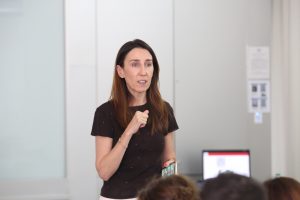
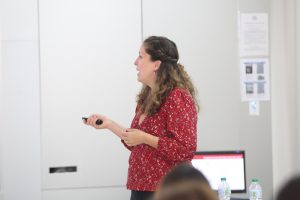
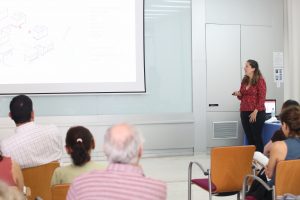
The day concluded with a presentation by Dr. María Lourdes Renart Pérez , a technician from the Technical Support Service for Teaching and Research (SATDI), who presented the IDIBE’s Biosafety Level 2 (BSL2) laboratory as an example of a Biological Containment Level 2 (BC2) facility . As the technician responsible for this facility, Dr. Renart explained to the attendees the type of infrastructure and equipment provided to the laboratory (air handling unit, biological safety cabinets, dedicated ultra-low temperature freezer, etc.), as well as the rules and procedures that users must follow to make optimal use of the laboratory, carrying out their activities effectively while protecting the public and the environment. This infrastructure will allow for research projects in the field of infectious diseases, using pathogens that require this level of containment, such as the development of new vaccines against respiratory syncytial virus (RSV) or the potential attenuation of bacterial virulence factors through the action of different plant-based compounds.
In summary, as a result of all these synergies, the course represented an excellent opportunity to strengthen our staff’s biosafety skills and raise awareness of the need to work safely in our laboratories. Furthermore, this training provided the necessary tools for the proper use of low- or moderate-risk biological facilities and also served to review all the measures that can offer protection to workers, the general public, and the environment.
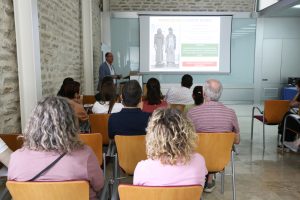
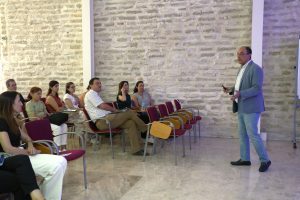
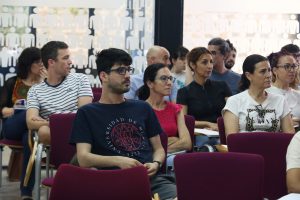
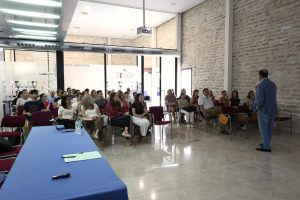
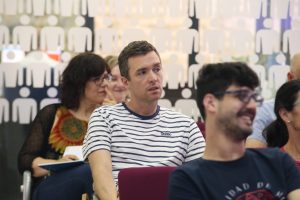
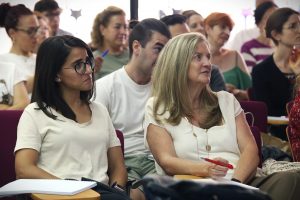
Below you can see a photo summary of the event: