When science listens: a global bank of bird songs to protect biodiversity
What do birds tell us when they sing? Thanks to a new global bank of bird sounds, we can now better “hear” the state of ecosystems and protect them more intelligently .
An international team coordinated by biologist Esther Sebastián-González, from the University of Alicante (UA), and Cristian Pérez-Granados, from the Centre for Forest Science and Technology of Catalonia (CTFC), has created the World Annotated Bird Acoustic Dataset (WABAD), a large public inventory of bird songs. It compiles 5,047 minutes of audio with more than 90,000 vocalizations from 1,192 species, recorded in 72 habitats across five continents. Each fragment is annotated second by second, indicating which species is singing at any given moment. The study was published in the scientific journal Ecology , in its February 2026 issue .
This collective effort, involving over a hundred researchers from 29 countries, allows for the training of artificial intelligence algorithms capable of automatically identifying species from their songs. This advances the development of non-invasive acoustic monitoring systems, replacing long hours of field observation with networks of automatic recorders .
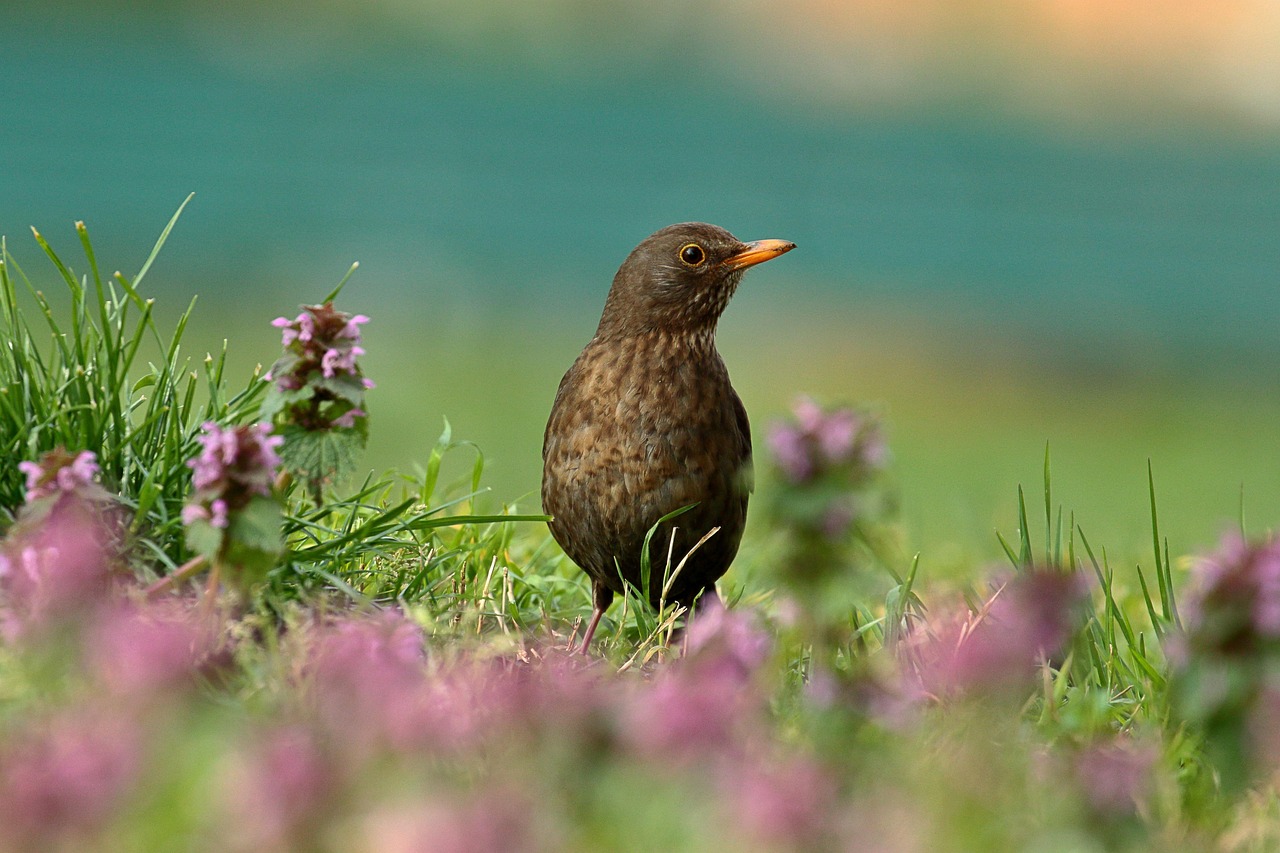
On the Iberian Peninsula, areas such as Doñana National Park, El Hondo (Elche), Solsona (Lleida), Zarzalejo (Madrid), Tierra de Pinares (Valladolid), and Villena and Ontígola (Toledo) have been included, and among the most frequently recorded species are the common chaffinch and the blackbird . Analyzing how the soundscape changes before and after environmental restoration helps measure the actual recovery of an ecosystem. Projects like WABAD demonstrate the potential of combining data, technology, and artificial intelligence to address sustainability challenges. Listening to birds is no longer just a pleasure: it is also a key tool for understanding and protecting the planet’s biodiversity.
Source: https://hal.science/hal-04903429v1/document
Image: Pixabay