India uncovers a 15-meter prehistoric snake that could rival Titanoboa as the largest ever
Guinness World Records, India, paleontología, serpiente, Titanoboa, Vasuki
11 May 2026
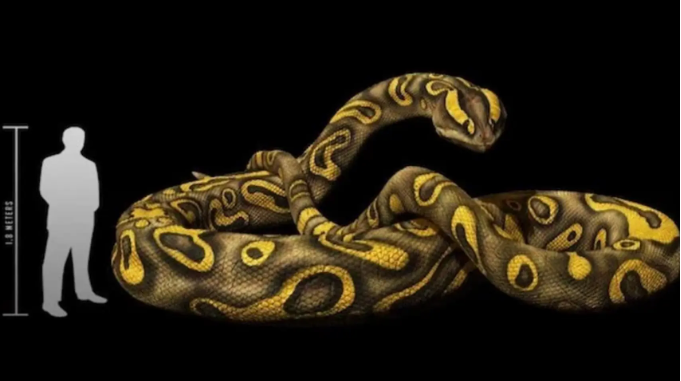
Paleontologists have reignited the debate over the largest snake in Earth’s history after studying the fossil remains of Vasuki indicus, a gigantic prehistoric species discovered in Gujarat, western India. Researchers estimate the reptile may have reached between 11 and 15 meters in length, placing it in the same league — or possibly beyond — the legendary Titanoboa.
The fossils were unearthed in the Panandhro lignite mine and date back around 47 million years to the Middle Eocene period. Scientists analyzed 27 fossilized vertebrae, some still articulated, allowing them to estimate the animal’s enormous size.
The species was named Vasuki indicus after the mythological serpent linked to the Hindu god Shiva. According to research published in Scientific Reports, the snake belonged to the extinct Madtsoiidae family and likely hunted through ambush attacks, much like modern anacondas.
For years, the title of largest known snake belonged to Titanoboa cerrejonensis, the enormous species found in Colombia. However, the new estimates surrounding Vasuki indicus have reopened scientific discussions about which reptile truly deserves the crown. Even Guinness World Records acknowledges that both species may have reached very similar dimensions.