A tiny transparent fish helps scientists create the first complete cellular atlas of an adult vertebrate
atlas celular, DigiFish, pez transparente, vertebrados, Whitehead Institute
9 November 2026
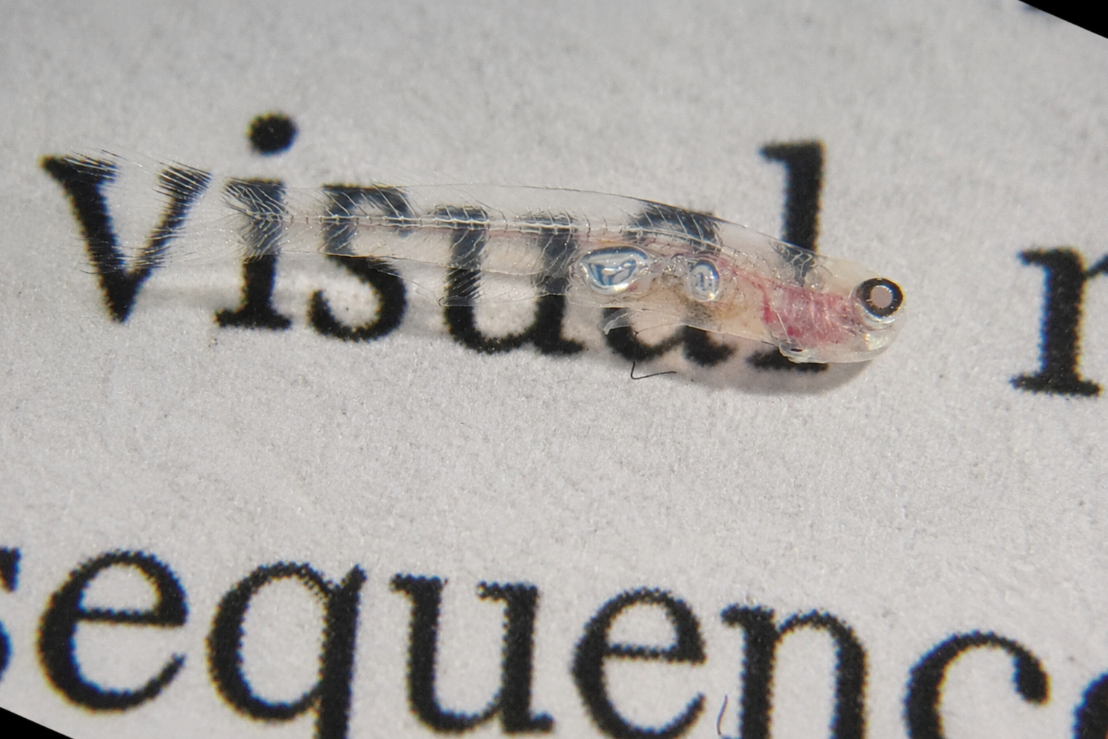
‘Danionella cerebrum’, Whitehead Institute.
Researchers at the Whitehead Institute for Biomedical Research, affiliated with the Massachusetts Institute of Technology (MIT) in the United States, have developed the first comprehensive single-cell atlas of an adult vertebrate using Danionella cerebrum, a tiny, nearly transparent fish measuring just one centimetre in length. The research, led by Kutay Deniz Atabay in the laboratory of Peter Reddien, involved analysing more than 600,000 cells to identify their different types, locations and patterns of gene activity. The findings were published on 29 October 2026 in the prestigious scientific journal Science, in the study Whole-body single-cell atlas of an adult vertebrate, Danionella cerebrum.
The extraordinary characteristics of Danionella cerebrum, particularly its small size and transparent head, which allows researchers to observe its brain, make it an exceptional model for biological and neurological studies. To construct the atlas, scientists combined single-cell RNA sequencing and spatial transcriptomics, two advanced techniques that enabled them to examine gene expression in cells from the brain, spinal cord, eyes, internal organs, fins and other body regions. This approach provides a detailed molecular reference that would be considerably more difficult to obtain from larger vertebrates.
Among the most significant findings, the researchers discovered that neurons located in the same brain region often share similar gene expression patterns, even when they use different neurotransmitters. They also identified evidence that certain adult cells retain a molecular memory of their position within the body. In addition, experiments involving injury to a region of the brain revealed the fish’s remarkable regenerative capacity: following an initial immune response, neural stem cells contributed to the production and maturation of new neurons, helping restore the damaged tissue.
The resulting atlas represents an important resource for studying cellular organisation, nervous system function, tissue regeneration and ageing, as well as investigating how different treatments or injuries affect the organism. The research team has made the information publicly available through DigiFish, an interactive platform that allows scientists to explore cellular diversity and gene activity throughout the animal. This development opens new opportunities for understanding the biological mechanisms shared by vertebrates and investigating how tissues maintain their structure and recover from damage.
Source: EFE Agency