A discovery that challenges the limits of regeneration
Biología, Research and Innovation
biomedicina, ingeniería de tejidos, Medicina regenerativa
1 June 2026
The ability of some organisms to regenerate parts of their bodies has fascinated science for decades. However, a recent study published in Science Advances has gone a step further by describing a phenomenon that challenges some of the most established ideas about life, regeneration, and cellular aging.
The research focuses on Psolus fabricii , a species of sea cucumber belonging to the group of echinoderms, animals related to starfish. The scientific team observed that tissue fragments extracted from these animals not only survived outside the organism, but continued to grow and reorganize for more than three years under surprisingly simple conditions: natural seawater, without added nutrients and without special sterile conditions.
The tissues studied included epidermal, muscle, nerve, and connective tissue cells. Throughout the observation period, the explants maintained biological activity, exhibiting cell division capacity, immune response, and absorption of nutrients dissolved in water. In other words, these were not passively preserved tissues, but rather living and functional structures. One of the most striking aspects of the work is that this behavior was not observed in tissues from other related species analyzed by the research team. This suggests that Psolus fabricii possesses exceptional biological characteristics that, until now, have not been described in the scientific literature.
Beyond its biological intrigue, the discovery could have significant implications for fields such as regenerative medicine, tissue engineering, and biomedical research. Understanding the mechanisms that allow these tissues to remain active for such extended periods could provide new insights into organ repair, cellular aging, and the development of alternative experimental models.
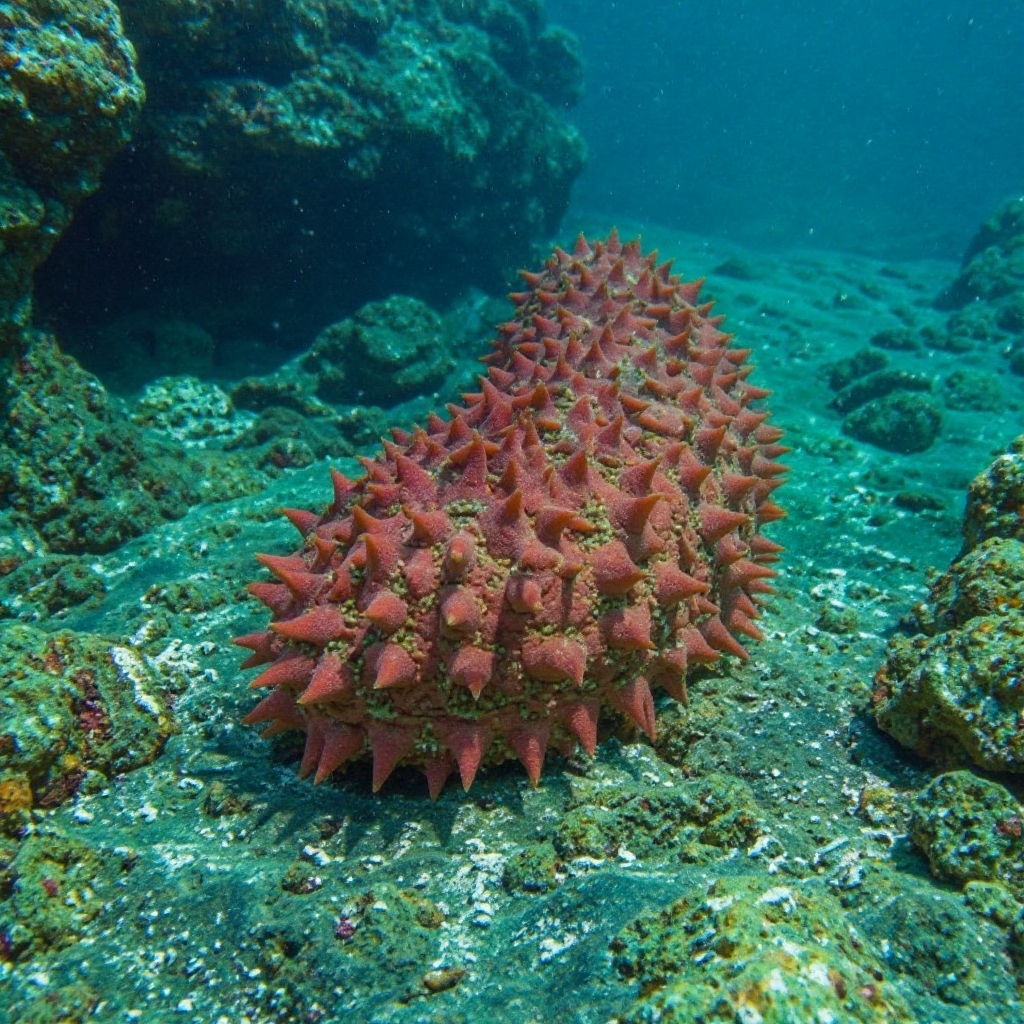
Image generated by Magnific