Ocean warming worsens the effects of plastic pollution on marine life
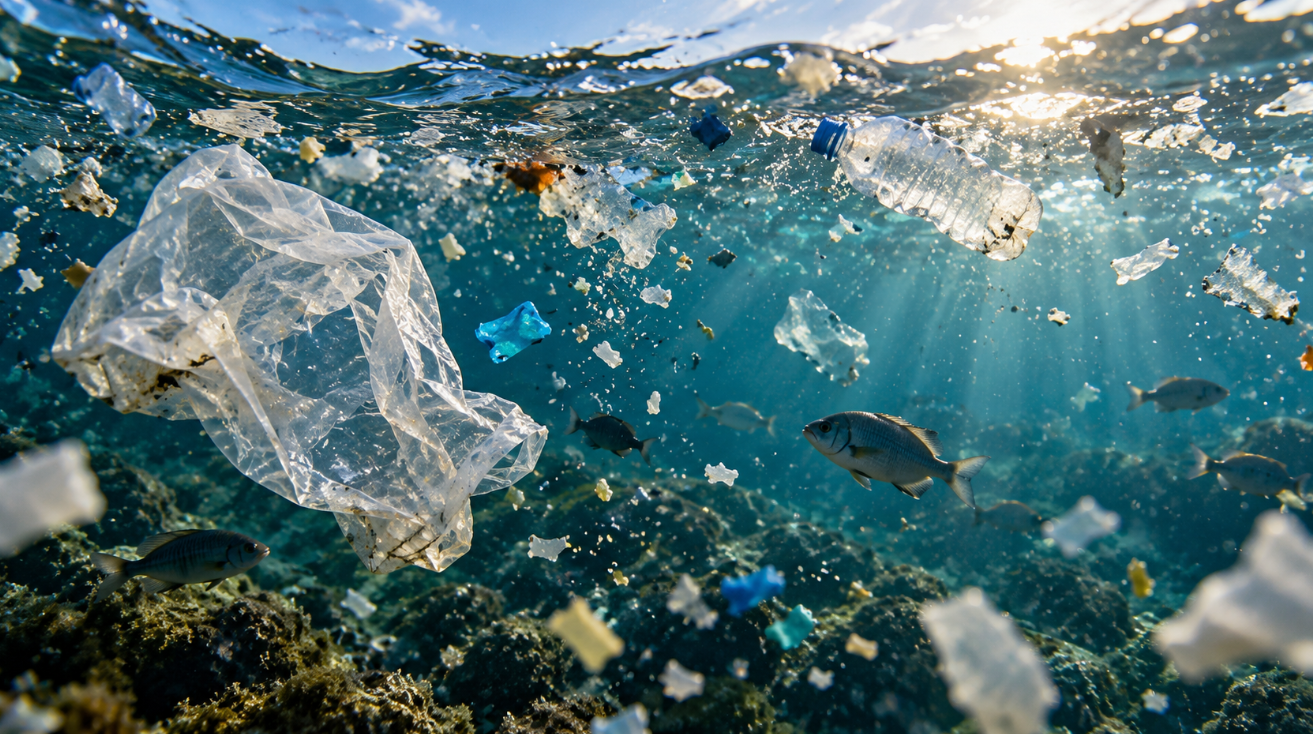
A study by the Institute of Marine Sciences (ICM-CSIC) shows that rising water temperatures increase the toxicity of certain chemicals found in plastics, threatening tiny organisms that play an essential role in maintaining healthy marine ecosystems.
Climate change and plastic pollution may pose a greater combined threat than previously thought. A study led by researchers at the Institute of Marine Sciences (ICM-CSIC) has found that higher water temperatures intensify the harmful effects of certain chemical additives used in plastic products. Published in the scientific journal Journal of Hazardous Materials, the findings highlight the vulnerability of marine zooplankton to the combined effects of pollution and ocean warming.
To carry out the study, the research team examined specimens of Centropages typicus, a small crustacean commonly found in the Mediterranean Sea and the North Atlantic Ocean. The organisms were exposed to five chemicals used as plasticisers and flame retardants, both individually and in mixtures. Experiments were conducted at two different temperatures, 16°C and 22°C, to determine how thermal stress influences the toxicity of these pollutants.
The results showed that higher temperatures reduced the concentrations of the chemicals required to cause lethal effects. In addition, exposure to chemical mixtures under warmer conditions triggered physiological and enzymatic changes that affected the organisms’ defence and detoxification mechanisms.
These findings are particularly significant because of the essential role copepods play in marine ecosystems. These tiny animals are part of the zooplankton community and provide food for numerous marine species, including the larvae of many fish. A decline in their populations could therefore have consequences at different levels of the food chain and disrupt ecosystem functioning.
The study also highlights the need to review current methods for assessing the environmental risks associated with chemical pollutants. According to the researchers, testing these substances at constant temperatures may provide an incomplete picture of their effects in oceans experiencing increasingly frequent heatwaves. Incorporating changing climatic conditions into environmental assessments could help scientists better understand the threats facing marine biodiversity.